Selecting the Right High-Performance Valve for Severe Service Conditions
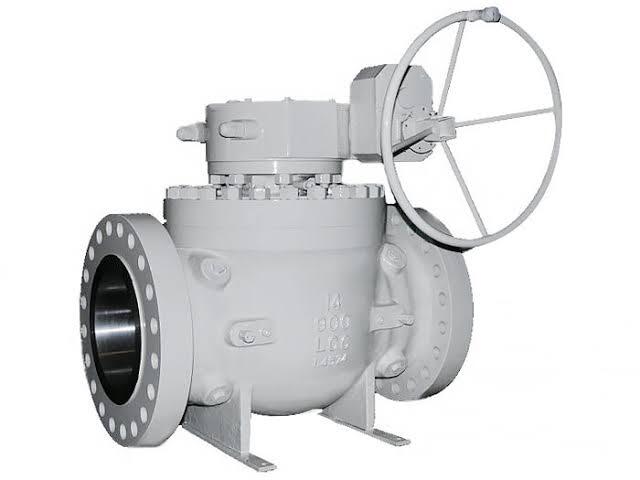
In the demanding world of oil and gas, petrochemicals, and refinery operations, valve selection is not merely a procurement decision—it is a critical engineering choice that directly impacts safety, reliability, and operational efficiency. Severe service conditions, characterized by extreme temperatures, high pressures, corrosive media, and erosive flows, demand valves that are meticulously engineered to withstand these harsh environments while maintaining precise control and leak-tight shutoff.
Understanding Severe Service Conditions
Severe service is a term used across the process industries to describe applications that push standard valves beyond their design limits. These conditions typically include temperatures exceeding 400°C, pressures above 100 bar, highly corrosive fluids such as sour crude or hydrofluoric acid, and fluids containing abrasive particulates. In such environments, conventional valves often fail prematurely due to galling, erosion, corrosion, or thermal fatigue.
⚠️ Critical Insight: More than 40% of unplanned plant shutdowns are attributed to valve failures in severe service applications. Proper selection can significantly reduce downtime and maintenance costs.
Key Valve Types for Severe Service
Several valve types are specifically designed or adapted for severe service applications. Understanding their strengths and limitations is essential for making the right choice.
Trunnion-Mounted Ball Valves
Trunnion-mounted ball valves are widely regarded as the gold standard for high-pressure and high-temperature applications. Unlike floating ball valves, the trunnion design supports the ball at both the top and bottom, reducing operating torque and ensuring smooth operation even under extreme pressure differentials. These valves are available with metal-seated designs that can withstand temperatures up to 600°C and are commonly used in critical isolation and control services in refineries and gas processing plants.
Metal-Seated Gate Valves
For applications involving abrasive slurries or high-velocity fluids, metal-seated gate valves offer exceptional resistance to erosion and wear. The parallel or wedge-shaped gate design provides a tight shutoff while the metal-to-metal seating ensures durability in harsh environments. These valves are particularly well-suited for slurry pipelines, mining operations, and high-temperature steam services.
Control Valves with Severe Service Trim
In modulating control applications, standard control valves often struggle with cavitation, flashing, and high-pressure drop. Severe service control valves are equipped with specialized trim designs—such as multi-stage pressure reduction, anti-cavitation cages, and hardened materials—that mitigate these effects. Leading manufacturers like Emerson and Flowserve offer a wide range of severe service control valves tailored to the most demanding applications.
Material Selection for Severe Service
The choice of materials is perhaps the most critical factor in severe service valve selection. The valve body, trim, and seat materials must be compatible with the process fluid and able to withstand the operating conditions. For high-temperature applications, materials like Inconel 625, Hastelloy C-276, and Alloy 20 are often specified. For sour service environments, NACE MR0175/ISO 15156 compliant materials are mandatory to prevent sulfide stress cracking.
- Resistance to corrosion and oxidation at elevated temperatures
- Hardness and wear resistance for erosive service
- Compatibility with sour gas (H₂S) environments
- Low thermal expansion to maintain sealing integrity
- Fabricability and weldability for maintenance and repair
Actuator Selection for Severe Service
The actuator is responsible for positioning the valve, and in severe service applications, it must deliver sufficient torque or thrust to overcome high friction, sticking, and process forces. Pneumatic actuators are common, but hydraulic or electric actuators may be required for very high forces or remote locations. Key considerations include fail-safe action, speed of response, and environmental conditions such as ambient temperature and vibration.
⚙️ Actuator Sizing: Undersized actuators are a leading cause of valve failure in severe service. Always perform rigorous torque calculations considering both breakaway and running torque requirements.
Sealing and Packing Solutions
Fugitive emissions are a major concern in severe service applications, particularly in light of tightening environmental regulations. Advanced packing materials, such as flexible graphite and PTFE-based compounds, provide low-friction sealing while maintaining tight shutoff. Live-loaded packing systems that maintain constant compression are recommended to compensate for thermal cycling and wear, ensuring long-term sealing integrity.
Industry Standards and Certifications
When specifying valves for severe service, compliance with international standards is non-negotiable. Key standards include API 6D for pipeline valves, API 600 for gate valves, API 602 for forged steel valves, and ISO 17292 for metal-seated ball valves. Additionally, fire-safe testing per API 607 or API 6FA may be required for critical safety applications. Understanding these standards and their applicability is essential for ensuring product quality and reliability.
The Role of Dornika Energy in Severe Service Valve Solutions
At Dornika Energy, we recognize that severe service valve selection requires deep technical expertise and a thorough understanding of process conditions. We partner with leading valve manufacturers to provide a comprehensive range of severe service solutions, including trunnion-mounted ball valves, metal-seated gate valves, and custom-engineered control valves. Our team of application engineers works closely with clients to ensure that every valve is precisely matched to the operating conditions, delivering reliable performance and long service life.
Whether you are upgrading an existing system or designing a new facility, contact Dornika Energy for expert guidance on severe service valve selection. Our commitment to quality and technical excellence ensures that your operations run safely, efficiently, and without interruption.
Conclusion
Selecting the right valve for severe service conditions is a complex but essential task. By carefully considering the operating parameters, material compatibility, actuator requirements, and industry standards, engineers can ensure reliable valve performance in the most demanding environments. With the right partner and the right expertise, severe service valves can deliver decades of trouble-free service, contributing to plant safety, efficiency, and profitability.