Gas Turbine Efficiency: Innovations in Blade Cooling and Combustion
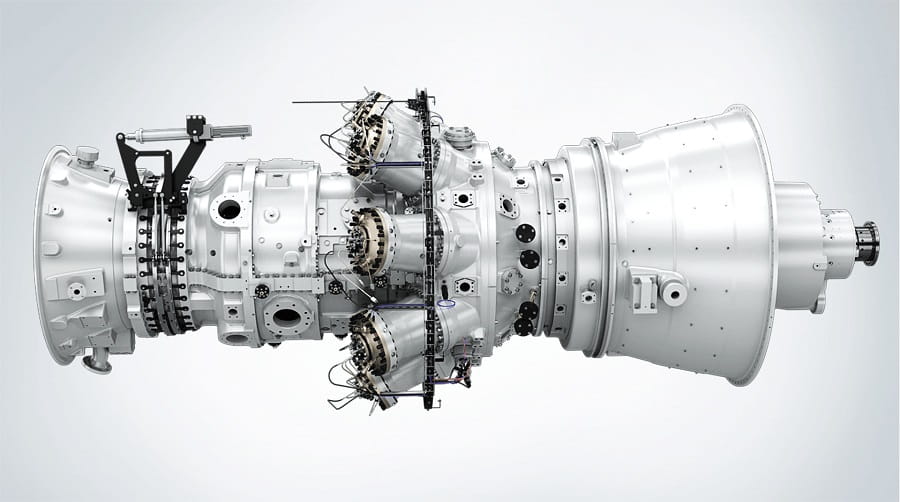
Gas turbines are the backbone of modern power generation and mechanical drive systems. Their efficiency directly impacts fuel consumption, operating costs, and environmental performance. In recent years, the industry has witnessed remarkable innovations in blade cooling, combustor design, and digital control systems that push turbine efficiency beyond 42% — a threshold once considered unattainable.
The Pursuit of Higher Efficiency
The efficiency of a gas turbine is fundamentally governed by the Brayton cycle. Higher turbine inlet temperatures (TIT) yield higher thermal efficiency, but they also impose extreme thermal and mechanical stresses on the turbine blades. For decades, engineers have sought to increase TIT while maintaining component integrity. Today, advanced blade cooling techniques and novel materials allow TIT to exceed 1,500°C, enabling efficiencies that were unimaginable just 20 years ago.
📈 Efficiency Milestone: Modern heavy-duty gas turbines now achieve combined-cycle efficiencies exceeding 62%, with simple-cycle efficiencies surpassing 42% — a significant leap from the 30% typical in the 1990s.
Advanced Blade Cooling Technologies
Turbine blades operate in the most extreme environment within the engine. They are subjected to gas temperatures that exceed the melting point of the base alloy. To survive, blades must be actively cooled using compressor bleed air. The challenge is to cool the blade effectively while minimizing the penalty on overall engine efficiency. Modern blade cooling designs incorporate several sophisticated techniques:
1. Film Cooling
Film cooling involves injecting cooling air through small holes on the blade surface to create a protective layer of cooler air between the blade and the hot gas path. This technique is particularly effective on the leading edge and pressure side of the blade. Advanced manufacturing techniques, such as laser drilling and additive manufacturing, now enable the creation of complex cooling hole geometries that maximize cooling effectiveness while minimizing aerodynamic losses.
2. Internal Convection Cooling
Modern turbine blades feature intricate internal cooling passages that direct compressor bleed air through the blade interior. These passages are designed with turbulators and pin fins to enhance heat transfer from the blade metal to the cooling air. Computational Fluid Dynamics (CFD) has been instrumental in optimizing these internal geometries. The result is a more uniform blade temperature profile, reduced thermal stress, and longer component life.
3. Thermal Barrier Coatings (TBCs)
TBCs are ceramic coatings applied to the blade surface to provide additional thermal protection. These coatings, typically composed of yttria-stabilized zirconia (YSZ), reduce the metal temperature by up to 200°C. Recent advances in TBC technology have improved coating durability and resistance to spallation, even under the most demanding conditions.
Combustor Innovations
The combustor is the heart of the gas turbine. It must achieve complete combustion with minimal pressure loss, low emissions, and uniform exit temperature profile. Modern combustor designs have evolved significantly from the simple can-annular configurations of the past.
Dry Low Emissions (DLE) Combustors
DLE combustors are now the industry standard for emissions compliance. They utilize lean-premixed combustion to reduce peak flame temperatures, thereby minimizing NOx formation. The challenge is to maintain stable combustion over a wide range of operating conditions. Advanced DLE designs incorporate staged combustion, where fuel is introduced at multiple axial positions to control the flame temperature profile and optimize emissions performance.
Additive Manufacturing in Combustors
Additive manufacturing (AM) is revolutionizing combustor design. AM enables the production of complex geometries — such as lattice structures and variable-permeability liners — that were previously impossible to manufacture. These designs improve cooling effectiveness, reduce weight, and extend component life. Leading manufacturers like GE and Siemens Energy are already using AM for production combustor components.
Digital Twins and Predictive Maintenance
The integration of digital twin technology is transforming gas turbine operations. A digital twin is a virtual replica of the physical turbine that simulates its behavior under various operating conditions. By analyzing real-time data from sensors and comparing it with the digital twin's predictions, operators can identify potential issues before they lead to failure. This approach enables predictive maintenance, reduces unplanned downtime, and extends the lifespan of turbine components.
🔧 Predictive Maintenance: Digital twins can reduce maintenance costs by up to 30% and increase turbine availability by 5–10% by optimizing maintenance schedules and reducing unnecessary inspections.
Materials Innovation
The relentless pursuit of higher TIT demands materials that can withstand ever-increasing temperatures and stresses. Single-crystal superalloys, which eliminate grain boundaries that are susceptible to creep and oxidation, are now standard for turbine blades. These alloys, such as CMSX-4 and René N5, offer superior creep resistance and fatigue strength at temperatures up to 1,100°C.
Looking ahead, ceramic matrix composites (CMCs) are emerging as the next frontier. CMCs, such as silicon carbide fiber-reinforced silicon carbide (SiC/SiC), offer a fraction of the weight of superalloys while providing comparable or superior high-temperature capability. They are already being used in combustor liners and turbine shrouds, and future applications may include turbine blades themselves.
The Role of Dornika Energy in Turbine Efficiency
At Dornika Energy, we understand that achieving peak turbine efficiency requires a holistic approach. We supply a comprehensive range of gas turbine components — from blades and vanes to combustor liners and control systems — sourced from the world's leading manufacturers. Our team of experts provides technical consulting and after-sales support to help you optimize your turbine performance and maximize your return on investment.
Whether you are looking to retrofit an existing turbine with advanced cooling technologies or are planning a new installation, contact Dornika Energy for a personalized consultation. Our commitment to quality and reliability ensures that your turbine operates at peak efficiency, reducing fuel consumption and emissions.
Conclusion: The Path Forward
Innovations in blade cooling, combustor design, and materials science are pushing gas turbine efficiency to new heights. The combination of advanced cooling techniques, DLE combustors, additive manufacturing, and digital twins is enabling operators to achieve unprecedented levels of performance and reliability. As the industry continues to evolve, Dornika Energy remains committed to providing the cutting-edge components and expertise needed to stay ahead.